Why Fractional Ownership Is the Smartest Move for HENRY Buyers
If you’re a HENRY—high earner, not rich yet—you’re in a very specific window financially. You’re making strong income, you’ve likely built some liquidity, but you’re also hyper-aware that every dollar still needs to work. Big purchases aren’t just about lifestyle—they’re about timing, leverage, and opportunity cost.
That’s exactly why fractional ownership tends to hit differently for this group.
Not because it’s a “cheaper” way to buy in a market like Vail—but because it’s often the more intelligent way to enter it.
Let’s break that down.
ou Get the Asset—Without Overcommitting to It
A full ownership purchase in a resort market can easily push well past $2–5M for something you’d actually want to spend time in. Even if you can afford it, the real question is: should you tie up that much capital in a single lifestyle asset?
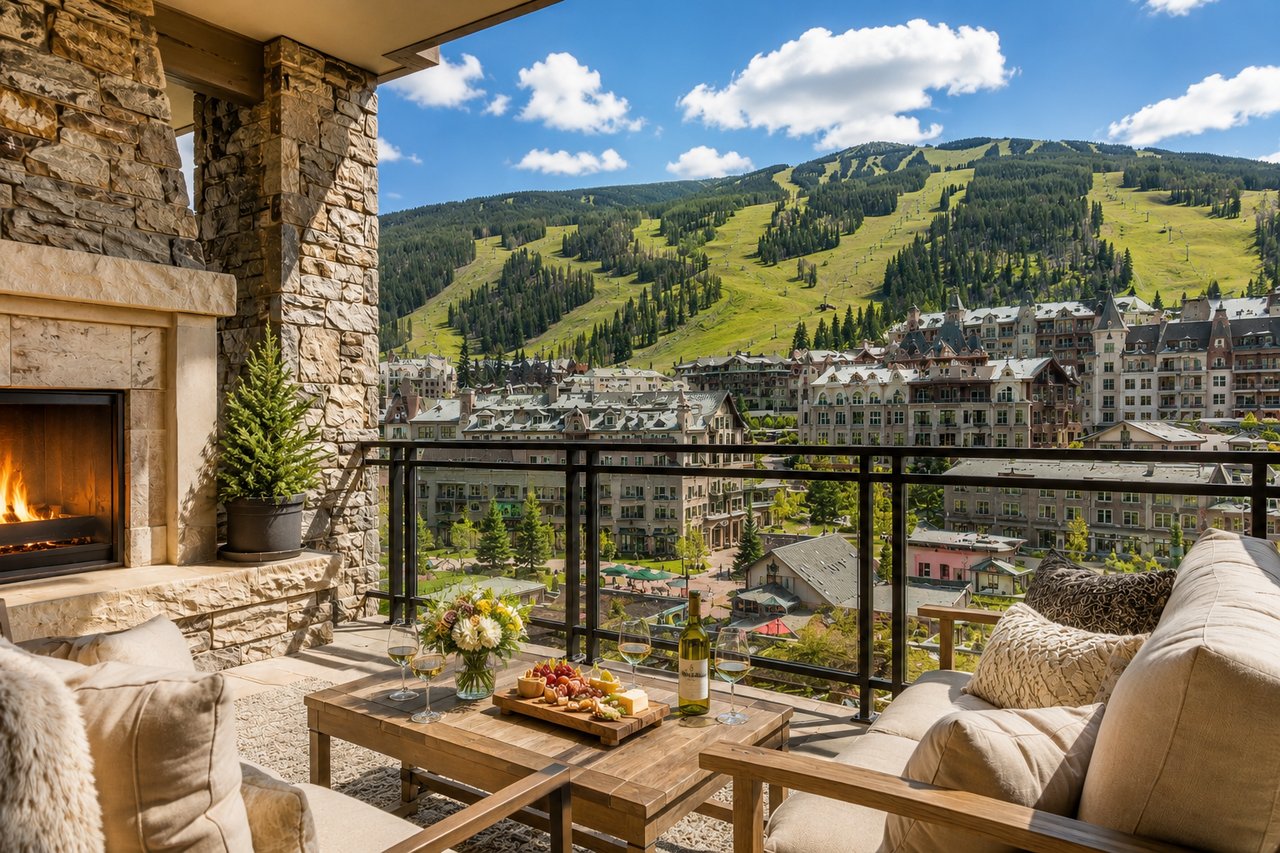
Fractional ownership lets you step into the same caliber of property—same location, same finishes, same experience—at a fraction of the equity commitment.
You’re not sacrificing quality. You’re just right-sizing the investment to match actual usage.
Because let’s be honest: most second homes sit empty the majority of the year.
Usage Actually Matches Real Life
HENRY buyers tend to be busy. Careers are still accelerating. Time is limited.
Owning 1/8 or 1/10 of a property that gives you 4–6+ weeks a year often aligns perfectly with how often you can realistically get away.
Instead of paying for 52 weeks and using five, you own the five you’ll actually use—usually with a structured calendar that removes the friction of planning.
It’s not just efficient financially—it’s cleaner operationally.
It Keeps Your Capital Flexible
This is the part that often gets overlooked.
When you buy a full second home, you’re not just buying real estate—you’re concentrating capital. A lot of it.
For HENRY buyers, that can mean:
-
Less liquidity for other investments
-
Fewer opportunities to diversify
-
More pressure for that one asset to perform
Fractional ownership allows you to participate in a high-end market without putting all your chips on the table.
You still get exposure to appreciation in a supply-constrained resort market—but you preserve the ability to invest elsewhere, whether that’s in your primary market, equities, or your business.
It Reduces the Friction of Ownership
There’s a lifestyle component here that matters more than people expect.
Full ownership comes with:
-
Maintenance coordination
-
Property management decisions
-
Ongoing upkeep (even when you’re not there)
With a well-structured fractional property, that’s all handled.
You show up, everything is ready, and when you leave, it’s taken care of.
For someone whose time is already stretched, that simplicity has real value.
It’s a Strategic Entry Point Into a High-Barrier Market
Markets like Vail aren’t getting more accessible. Inventory is tight, land is limited, and demand—especially for turnkey product—continues to grow.
Fractional ownership gives HENRY buyers a way to establish a foothold now rather than waiting until a full purchase feels comfortable.
And in many cases, waiting is the more expensive move.
The Real Shift: It’s Not a Compromise
There’s still a perception that fractional ownership is a step down from “real” ownership.
In practice, for the right buyer, it’s often the opposite.
It’s a more precise way to:
-
Match usage to cost
-
Preserve capital
-
Reduce complexity
-
Access a market earlier
For HENRY buyers in particular, it tends to align with how they already think: intentional, strategic, and forward-looking.
If you’re evaluating a second home purchase and find yourself hesitating—not because you don’t want it, but because the numbers feel heavy—this is usually where fractional ownership starts to make a lot of sense.
Not as a fallback option.
As the smarter one.